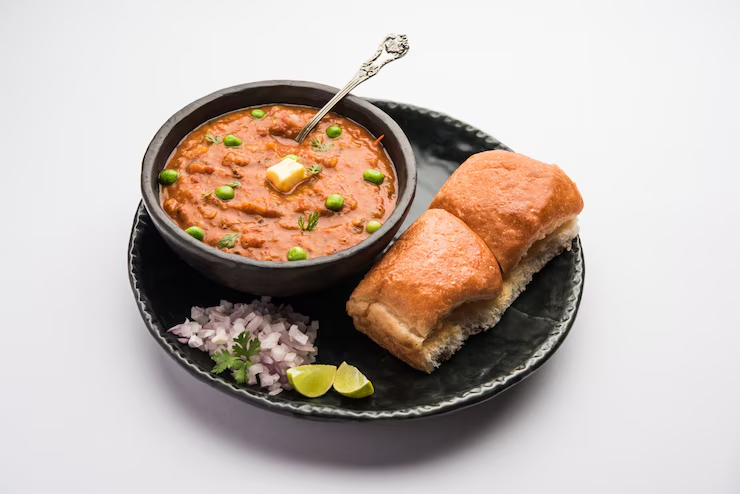
One of India’s most popular street delicacies is Pav Bhaji, which is particularly well-known in Mumbai. This comforting dish, which cuts over age, geography, and societal boundaries, is a spicy, buttery vegetable mash eaten with soft, toasted bread buns (pav). Knowing the subtleties of Pav Bhaji preparation is essential to capture its true flavours, whether you’re a street food enthusiast or a home cook hoping to make this famous delicacy. From the ingredients and cooking method to serving suggestions and variants, this in-depth guide will take you through every step of the process, providing you with a 2000-word immersive immersion into the art of preparing Pav Bhaji.
1. Overview: What is Pav Bhaji?
Traditionally prepared on a big, flat griddle (tava), pav bhaji is a thick vegetable curry that is served hot with buttered pav buns. ‘Pav’ denotes soft bread rolls, while ‘bhaji’ implies vegetable curry. Pav Bhaji began as a quick lunch for textile mill workers in the busy streets of Mumbai in the 1850s and has since grown to become a well-liked meal both domestically and abroad. It is tempting due to its rich, tangy, and spicy profile.
2. Crucial Components of Genuine Pav Bhaji
The key to making the ideal Pav Bhaji is using high-quality, fresh ingredients. The primary vegetables include bell peppers, cauliflower, carrots, tomatoes, peas, and potatoes. The dish’s distinctive flavour is imparted by butter and pav bhaji masala, a particular spice blend, while the aromatic basis is provided by onions, garlic, and ginger. For garnish and extra freshness, lemon, sliced onions, and fresh coriander leaves are necessary.
3. Getting the Vegetables Ready
To ensure consistent cooking, start by cleaning, peeling, and cutting the veggies into small pieces. The vegetables are often pressure-cooked or simmered till tender. The texture should be mashable and smooth. While pressure cooking expedites the process, boiling preserves moisture. Because a little texture enhances the mouthfeel, avoid overcooking the vegetables to the point where they become mushy.
4. Pav Bhaji Masala: The Spice Blend
Coriander seeds, cumin, fennel seeds, cinnamon, cloves, dry red chillies, black pepper, and occasionally dried mango powder (amchur) are the ingredients of the aromatic, complex spice blend known as pav bhaji masala. These spices can be ground and roasted to make your own pav bhaji masala, or you can purchase premade. This mixture of spices is essential since it gives pav bhaji its rich, complex flavour.
5. How to Make the Bhaji: A Comprehensive Guide
In a big pan or tava, begin by heating the butter. Finely chopped onions should be sautéed until golden brown. Cook the ginger-garlic paste until the raw scent goes away. After that, add the finely chopped tomatoes and cook until they are pulpy and soft. In the pan, add the boiling veggies and use a potato masher to mash them well. Stir constantly while you add the red chilli powder, salt, and pav bhaji masala.
6. Harmonising Consistency and Flavours
To get the right consistency—thick but not dry—add water as necessary. Allow the spices to blend by simmering the mixture for ten to fifteen minutes. To avoid sticking, stir from time to time. To achieve the ideal ratio of savoury, tangy, and spicy flavours, taste and modify the salt, chilli, or lemon juice. At this point, butter is liberally added to improve flavour and richness.
7. Pav Preparation: Toasty Perfection
Make the pav while the bhaji is simmering. Keep the bread buns whole and cut them in a horizontal slit. Add butter to a heated skillet or tava. On the buttered surface, toast the pav buns until they are crisp and golden brown on both sides. This process fills the bread with a buttery aroma and gives the soft bhaji a nice texture contrast.
8. Using the Conventional Method to Serve Pav Bhaji
Arrange the hot bhaji on a platter and top with a lemon wedge, freshly cut onions, coriander leaves, and a dollop of butter. Put the toasted pav next to it. The flavours are enhanced by the zesty lemon juice that is squeezed over the onions and bhaji. The best time to savour this combo is right away, while the pav is still crisp and warm.
9. Pav Bhaji Variations
There are numerous inventive and regional versions of Pav Bhaji. To accommodate Jain dietary rules, Jain Pav Bhaji does not include garlic or onions. Grated cheese can be added to the bhaji or melted over the pav to give it a creamy twist. Kolhapuri-style Pav Bhaji, which is hotter and made with a distinct masala blend, is served in some places. You can introduce new flavours to your kitchen by experimenting with these variants.
10. Pav Bhaji’s Nutritional Aspects
Because it is made from vegetables, Pav Bhaji is high in fibre and vitamins. However, the amount of fat and calories is increased due to the liberal use of butter and white bread. You may use less butter, use whole wheat pav, and add more vegetables for a healthier version. Consuming more cauliflower and peas increases fibre and protein consumption.
11. Typical Errors to Steer Clear of
A lot of home cooks have trouble with Pav Bhaji because they either underspice the meal or overcook the vegetables, which makes them mushy. Keep in mind that too much water dilutes flavour. Additionally, the genuine flavour and mouthfeel might be weakened by omitting the pav or using insufficient butter. Proper mashing procedures and simmering patience are essential.
12. Beyond the Scene of Street Food, Pav Bhaji
Pav Bhaji is now seen in high-end eateries, fusion cafes, and even foreign cuisines, having moved beyond street vendors. Chefs try serving it with multigrain pav and adding gourmet components like unusual cheeses or truffle butter. Its enduring appeal encourages culinary innovation while remaining loyal to its origins.
13. Combining Drinks with Pav Bhaji
Traditionally, chilled drinks like buttermilk (chaas), sweet or salty lassi, or plain lemonade go nicely with Pav Bhaji. The dinner is made more pleasurable by the chilly drinks, which balance the buttery and spicy flavours. Some people like to pair it with cocktails or light beer for an adult twist.
14. Throwing a Party for Pav Bhaji
Pav Bhaji’s communal and informal aspect makes it the ideal dish for social occasions. Making a big batch of bhaji and presenting it buffet-style with bowls of chopped onions, lemons, additional butter, and various pav is part of throwing a Pav Bhaji celebration. It promotes conversation, sharing, and a delightful mealtime experience.
15. Final Thoughts: Perfecting Pav Bhaji’s Technique
The correct spice combination, meticulous attention to detail, and a sense of texture and flavour balance are all necessary for mastering Pav Bhaji. This adaptable dish provides a delightful balance of comfort and flavour, whether you’re preparing it for a celebratory occasion or as a quick weeknight supper. You may enjoy the flavour of Mumbai’s famous street cuisine whenever you want by making real Pav Bhaji in your own kitchen using the tips provided here.