
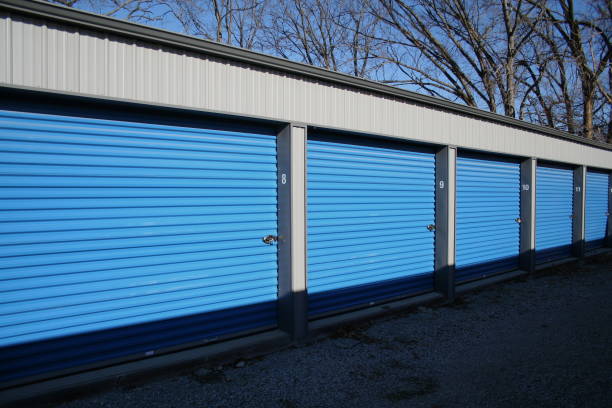
Humidity can create problems inside an RV even when the vehicle is parked under cover and protected from direct rain. Trapped moisture may lead to musty odors, condensation, surface corrosion, and mildew on fabrics or hidden materials. Good preparation before entering RV storage units can help keep the interior drier and easier to inspect over time.
Dry the Interior Before the RV Is Parked
Residual moisture should be removed before the vehicle goes into storage. Damp towels, recently cleaned upholstery, wet shower walls, and moisture around sinks can continue releasing water vapor after doors and windows are closed. Owners should give cleaned areas enough time to air out, especially around mattresses, carpet, bathroom surfaces, and fabric seating. Ventilation during preparation can speed up drying when weather conditions are suitable. Cabinet doors, drawers, and interior closets may be left open for a short period before storage so hidden spaces can release trapped humidity. Once the RV is fully dry, those areas can be arranged according to the manufacturer’s storage recommendations.
Check Roof Seals, Windows, and Exterior Openings
Water intrusion often begins with a small seal problem rather than an obvious leak. Cracked caulk around roof vents, aging window seals, loose trim, and gaps around exterior fittings can allow moisture inside during heavy rain or changing weather. A careful exterior inspection before RV storage gives owners a chance to repair vulnerable areas before the vehicle sits unattended.
Roof-mounted equipment deserves a closer look because seams around air conditioners, antennas, skylights, and vent housings can deteriorate over time. Drain paths should also remain clear so water can move away instead of pooling around seals. Rechecking these areas after storms or long storage periods can help catch a developing leak before interior damage spreads.
Keep Air Moving Through Enclosed Areas
Closed cabinets and storage compartments can hold stale, humid air for long periods. Slightly opening interior doors, wardrobes, and selected cabinets may improve circulation if the RV manufacturer allows it. Air movement is especially helpful around bedding, upholstered furniture, and enclosed compartments where moisture can settle unnoticed. Avoid sealing damp-prone materials tightly in plastic while the RV is stored. Breathable covers can protect furniture and mattresses without locking moisture against the surface. Customers comparing storage units near me should also consider whether the assigned space allows enough room for periodic access and interior checks.
Use Moisture Absorbers With Realistic Expectations
Desiccant tubs, silica gel, and other moisture absorbers can help in small enclosed areas, but they have limits. These products collect moisture from the air around them and may become saturated during long storage periods. Placement should follow product instructions, and containers should sit where spills cannot damage flooring or furniture.
Replacement schedules matter because a full absorber stops being useful. Routine visits let owners check saturation levels and replace products as needed. Larger motorhomes or humid climates may require several units placed in different areas rather than relying on one container near the entrance.
Protect the Refrigerator and Plumbing From Hidden Moisture
Refrigerators should be cleaned, dried, and stored with doors slightly open when manufacturer guidance recommends it. Moisture trapped behind gaskets or inside freezer compartments can create strong odors and mildew even when the appliance appears empty. Plumbing systems need the same attention because small amounts of water can remain in lines, traps, tanks, or fixtures. Winterization requirements vary by climate and RV design, so owners should follow the correct procedure for their vehicle. Draining and preparing the water system properly can reduce the chance of leaks, freezing damage, and dampness developing inside storage units.
Inspect Upholstery, Mattresses, and Soft Goods
Fabric surfaces can absorb humidity before they feel wet. Mattresses, curtains, rugs, cushions, and upholstered seats should be completely dry before the RV is closed for storage. Covers made from breathable materials can help keep dust away while allowing some moisture to escape.
Bedding and clothing should not remain packed tightly if there is any chance they contain residual moisture. Removable fabrics may be safer stored separately in dry containers, depending on the item and storage conditions. During longer RV storage periods, periodic checks can reveal musty smells, spotting, or dampness before the problem reaches larger surfaces.
Schedule Moisture Checks During Long Storage Periods
Regular inspections are useful because moisture problems can begin after move-in. Temperature changes, storms, seal failure, or blocked drainage paths may create new conditions even when the RV was dry at the start. Monthly or seasonal walk-throughs can include checking ceilings, corners, window frames, cabinets, flooring edges, and areas beneath cushions for signs of condensation or staining.
Storage Partner’s RV storage options can be a practical fit for motorhomes, fifth wheels, and travel trailers that need protected space during longer parking periods. Renters can compare available RV storage units, space dimensions, and access features, then choose a setup that makes moisture checks easier and leaves enough room to keep the vehicle dry, ventilated, and properly prepared while it is not in use.
















.jpg)