A fence does more than mark the edge of your property. The right fence can improve privacy, create a safer space for children and pets, add curb appeal, and complement the architecture of your home. In Concord, MA, homeowners also need to consider the character of established neighborhoods, changing New England weather, property layouts, and local requirements before selecting a fencing solution. A thoughtful approach helps you choose a fence that looks appropriate and performs well for years.
When you start planning a fencing project, working with a fence company in Concord, MA gives you an opportunity to evaluate your property before choosing a material or design. A professional assessment should consider the intended purpose of the fence, property dimensions, terrain, existing landscaping, gate locations, and the level of privacy or security you want. This planning stage helps prevent common problems such as an unsuitable fence height, poorly positioned gates, or a material that does not match your maintenance expectations.
Identify What You Need Your Fence to Accomplish
Your primary goal should guide the design. Privacy fencing, for example, typically uses taller panels with limited gaps, while decorative fencing focuses more on appearance and property definition. If your priority is keeping a dog safely within the yard, the fence needs appropriate spacing, height, and gate security.
Consider these questions before requesting an estimate:
A. Do you need privacy from neighboring properties?
B. Is the fence intended to contain children or pets?
C. Do you want to improve security around your home?
D. Is curb appeal your primary concern?
E. How much maintenance are you willing to perform?
F. Where should gates provide convenient access?
Clear answers make it easier to narrow down materials and designs.
Compare Common Fencing Materials
Different materials offer distinct advantages. Wood remains a popular choice for its natural appearance and flexibility in design. Cedar offers natural resistance to moisture and decay and can provide a long-lasting appearance when properly maintained, while pressure-treated wood is commonly selected for its treatment against decay and insects. Wood can be stained or painted to complement a home’s exterior, although it requires periodic maintenance to address moisture, weathering, and surface deterioration.
Vinyl fencing offers a clean appearance with relatively low routine maintenance. It does not require regular painting or staining, making it appealing when convenience is a priority. However, proper installation is still important, particularly where ground conditions and seasonal weather changes affect fence stability.
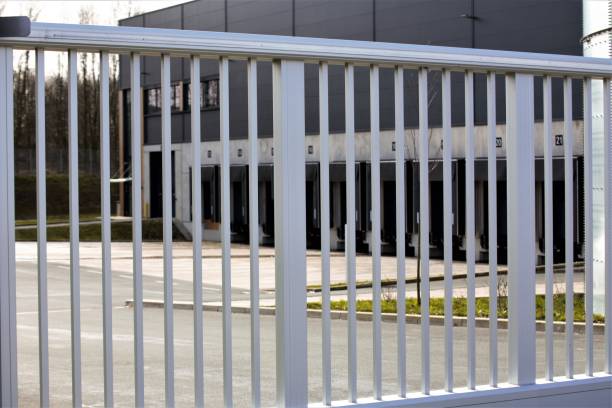
Aluminum fencing provides an open, refined appearance and works well when you want to define a property without creating a solid visual barrier. It is also useful around gardens and landscaped areas where visibility is desirable.
Chain-link fencing is another practical option when function, durability, and cost are important considerations. Privacy features can also be incorporated when additional screening is needed.
Pay Attention to Installation and Maintenance
Even a quality fencing material needs proper installation. Posts should be positioned securely below the local frost line to help reduce seasonal movement, and concrete footings can provide the stable support needed for properly installed posts. Panels should follow the property’s contours, and gates should be aligned so they open and close properly. Sloped or uneven yards require careful planning to maintain a consistent appearance and adequate clearance.
Before digging post holes, Massachusetts requires notification to Dig Safe. Excavation work must be preceded by a Dig Safe notification at least 72 business hours in advance, excluding Saturdays, Sundays, and holidays. A valid Dig Safe ticket should be obtained before excavation begins, including for fence post installation.
Gate construction also deserves careful planning. Heavy gates may require appropriately sized hinges, latches, and supporting posts to handle their weight and frequent use without sagging or shifting. Post caps can provide a finished appearance while also helping protect exposed post ends from weather.
After installation, inspect your fence periodically. Look for leaning posts, loose hardware, damaged boards, cracked components, rust, or vegetation pressing against the structure. Keeping soil and plants from accumulating around posts can also help reduce moisture-related problems. Gates deserve particular attention because frequent movement places additional stress on hinges, latches, and posts.
Consider Concord’s Historic District Requirements
A fence should solve your practical needs without looking out of place. Consider your home’s architecture, surrounding landscaping, neighboring properties, and the overall appearance you want to create. Concord has six historic districts: Barrett Farm, American Mile, North Bridge–Monument Square, Main Street, Hubbardville, and Church Street. If your property is within one of these districts, proposed fencing may be subject to Historic Districts Commission review and design considerations involving height, materials, style, location, and visibility.
Before moving forward, confirm applicable property rules, setback requirements, boundary information, and any neighborhood or municipal restrictions. Understanding these details early helps reduce delays and avoids installing a fence that needs costly changes later. For properties within Concord’s historic districts, review the applicable Historic Districts Commission requirements before selecting the fence design.
Consider Cost Before Choosing Materials
Fence costs can vary based on material, fence height, linear footage, terrain, gates, excavation conditions, and installation requirements. A lower initial price may not represent the lowest long-term cost if a material requires more maintenance or if difficult site conditions increase installation work. When comparing estimates, consider the expected service life, maintenance requirements, hardware, footing needs, and the complexity of the property rather than focusing only on the starting price.
Make Your Fencing Project a Long-Term Investment
The best fence is not necessarily the tallest or most expensive option. It is the one that matches your property’s needs, your preferred appearance, and the amount of maintenance you are prepared to handle. By defining your goals, comparing materials, planning gates carefully, addressing excavation requirements, and reviewing local requirements, you can make a confident decision.
If you’re planning a fencing project in Concord, MA, start with a professional property assessment and a clear discussion of your priorities. Request an estimate, compare your options, and choose a fencing solution designed around how you actually use your property.