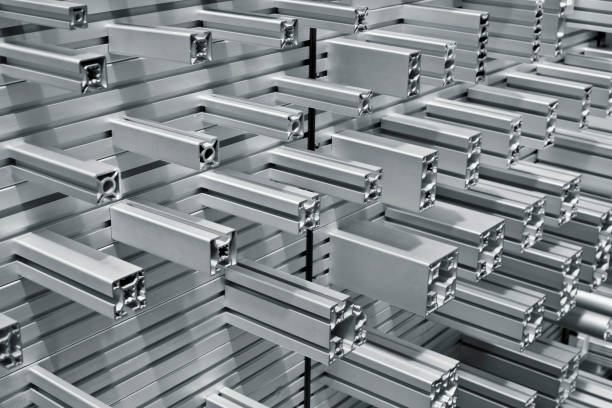
Structural performance depends on more than picking a profile that looks large enough for the job. Good engineering checks how the frame bends, twists, expands, and transfers force through every connection. That broader view helps MiniTec Aluminum Framing perform predictably in machine bases, workstations, guards, conveyors, and other industrial assemblies.
Deflection Under Expected Mechanical Weight Loads
Load calculations should begin with the real weight carried by each beam, post, and cross member, including equipment, panels, fixtures, and accessories. Longer spans usually bend more under the same load, so profile depth and support spacing matter as much as total weight. Published section properties for MiniTec extruded aluminum framing help designers estimate deflection before a frame is built. Designers should also consider where the weight sits because a concentrated motor or cabinet can stress one section more than an evenly distributed load. Proper sizing keeps an extruded aluminum T slot frame stiff enough for doors, sensors, guides, and mounted equipment to stay aligned during use.
Fatigue Strength Under Dynamic Cyclic Stresses
Repeated motion can be harder on a frame than a steady load of the same weight. Motors, conveyors, actuators, and robotic equipment introduce vibration, starts, stops, and reversing forces that cycle through joints and profiles many times. Even small stresses can matter when they repeat through thousands or millions of operating cycles. Engineers should identify high-cycle areas, then review profile stiffness, connector capacity, and fastener retention instead of relying only on a static load rating. Adequate bracing and properly tightened hardware can help a T slot extrusion assembly resist loosening and gradual movement around drive systems, sliding components, or frequently operated machine sections.
Connection Stiffness and Joint Rotational Slippage
Connections often determine how rigid the finished structure feels because bolted joints do not always behave like a continuous beam. Bolted brackets, plates, and internal fasteners may allow slight rotation before the profiles themselves show meaningful bending. Small amounts of joint movement can add up across a tall guard, long conveyor, or wide equipment frame. Reinforced corners, larger connecting plates, and multiple fasteners can improve stiffness where the load path changes direction. Checking joint behavior is especially important in an aluminum framing kit because a strong aluminum framing material profile can still feel flexible if the chosen connector allows too much rotational slip.
Thermal Expansion Rates of Asymmetric Components
Temperature changes can shift alignment when a frame combines materials that expand at different rates. Aluminum expands more with temperature than steel, so a long aluminum rail attached tightly to a steel machine base may develop stress or change position as the area heats and cools. Steel shafts, glass panels, plastic guards, and other mounted parts can create similar differences within one assembly. Allowance for slots, floating mounts, flexible joints, or controlled clearances gives components room to move without forcing the T slot aluminum extrusion out of line. Careful thermal planning matters around ovens, motors, outdoor equipment, and processes where temperatures change during normal operation.
T-slot Groove Deformation Under Extreme Point Loading
Point loads can damage a slot even when the overall profile remains well within its strength limit. Fasteners that clamp a small area too aggressively may deform the groove edge, especially where brackets carry heavy cantilevered equipment. Oversized loads can also pull against T-nuts and concentrate stress at a narrow section of the profile. Spreading force through larger plates, additional fasteners, or wider brackets reduces pressure on any one spot and helps the slot keep its shape. Matching the connector to the load protects the extruded aluminum T slot geometry and keeps accessories from shifting after repeated tightening or service work.
Torsional Rigidity and Frame Racking Vulnerabilities
Tall or narrow frames can twist even when their individual beams are strong enough in simple bending. Diagonal forces from doors, side-mounted equipment, uneven floor contact, or moving products may rack a rectangular frame into a slightly skewed shape. Wide openings without cross members can make the problem more noticeable because the corners carry more of the lateral load. Bracing, gussets, strategically placed panels, and stronger corner connections can improve torsional rigidity without making the whole frame excessively heavy. Stability checks should include side loads as well as vertical weight so MiniTec Aluminum Framing stays square during normal operation and occasional impact.
Galvanic Corrosion Prevention at Multi-metal Interfaces
Mixed-metal assemblies need attention wherever aluminum touches stainless steel, carbon steel, copper, or other conductive materials in the presence of moisture. Moisture can create an electrochemical path that encourages galvanic corrosion, particularly in washdown areas, outdoor installations, or humid production spaces. Isolation washers, compatible coatings, nonconductive barriers, and suitable fastener choices can reduce direct electrical contact between dissimilar metals. Coatings should remain intact around cut edges and heavily clamped joints where protective layers may wear during assembly. Preventive material selection at the design stage can reduce maintenance around exposed interfaces.