There are plenty of electrical jobs around a home, from wiring a ceiling fan to replacing an outlet that has stopped working. Some are minor repairs, while others involve the main electrical system. Menifee electricians, CA, work on residential installations and repairs, including lighting, generators, electrical panels, and other electrical systems. Here are some of the jobs an electrician may handle in your home.
What Electrical Work Can an Electrician Do at Home?
The type of electrical work you need depends on what is happening in the house. A few common jobs include repairs to outlets and switches, lighting work, ceiling fan wiring, panel work, and generator installation.
1. Switches and Outlets
Loose outlets, damaged switches, and outlets that no longer work are common electrical problems in homes. An electrician can inspect the problem and repair or replace the outlet or switch. If an outlet is warm, sparking, buzzing, or repeatedly tripping a breaker, do not keep using it and hope the problem goes away. There may be an issue behind the outlet that needs to be checked.
2. Whole-Home Surge Protection
Power surges caused by a lightning strike, utility grid switch or by a large appliance that is turned on and off frequently, can be harmful to electronics, appliances, and HVAC equipment. Standard power strips only protect what is connected to them and will not protect your panel, wiring or hardwired systems. A skilled electrician can install a whole home surge protective device (SPD) at the electrical panel, before the surge passes through your home’s wiring. It is an often-implemented add-on for panel upgrades or generator installations and is one of the least expensive methods to keep costly equipment safe. In addition, many homeowners combine it with point-of-use protectors for delicate electronics such as computers and TVs.
3. Lighting Installation
Need a new light installed or want to add lighting to another part of the house? An electrician can handle the wiring and installation, whether it is an indoor fixture, outdoor light, or landscape lighting. They can also troubleshoot lights that keep flickering, stop working, or have an electrical problem.
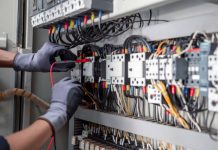
4. Electrical Panel Work
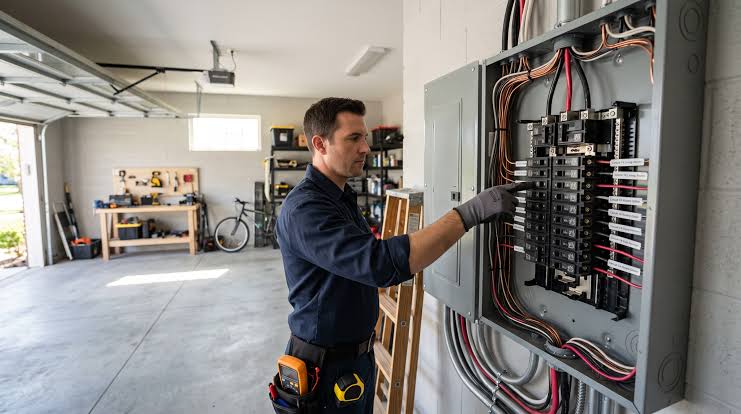
The electrical panel distributes power to the different circuits in your home. If you are adding major appliances, remodeling, or dealing with breakers that keep tripping, have an electrician inspect the panel.
An electrician can look for damaged or outdated parts and let you know if the panel needs a repair or an upgrade. A problem is not always obvious from the outside, so an inspection can catch issues you may not have noticed.
5. EV Charger Installation and Dedicated Circuits
With the increased adoption of EVs, Level 2 (240-volt) home charging is one of the most sought-after electrical upgrades. The installation of an EV charger needs technical competency. It will generally require a dedicated 240 volt circuit, a breaker of the proper size, and an assessment of whether the existing panel can be expanded to accommodate it. If your panel is already near capacity, an upgrade may be needed first. An electrician can also help you determine where to install the charger, how to run the cables and if it is better suited to be hardwired or connected to a NEMA 14-50 outlet.
When Should You Call an Electrician?
Some electrical problems are easy to spot, such as sparks or a burning smell. Others show up through smaller changes, such as flickering lights or breakers that keep tripping. You should also bring in an electrician for installations that involve new wiring, electrical panels, generators, or other parts of the home’s electrical system.
Conclusion
An electrician can handle much more than a broken outlet. Residential electrical work can range from small repairs and lighting changes to panel work, generator installation, and new wiring. Get in touch with Menifee electricians, CA, who can inspect the existing wiring and take care of the work according to current electrical requirements outlined in the National Electrical Code.